The Missouri Farmstand Collective
Missouri · Statewide Network

Missouri Farms.
Missouri Tables.
Your Right to Sell to Your Neighbors.

Building a statewide network of farmstands, cottage food producers, and small farms across Missouri through education, connection, and advocacy.

Find a Farmstand Learn More

“Every farmstand is an act of community. Every sale is a vote for local food.”

Who We Are

Rooted in Missouri.
Growing Together.

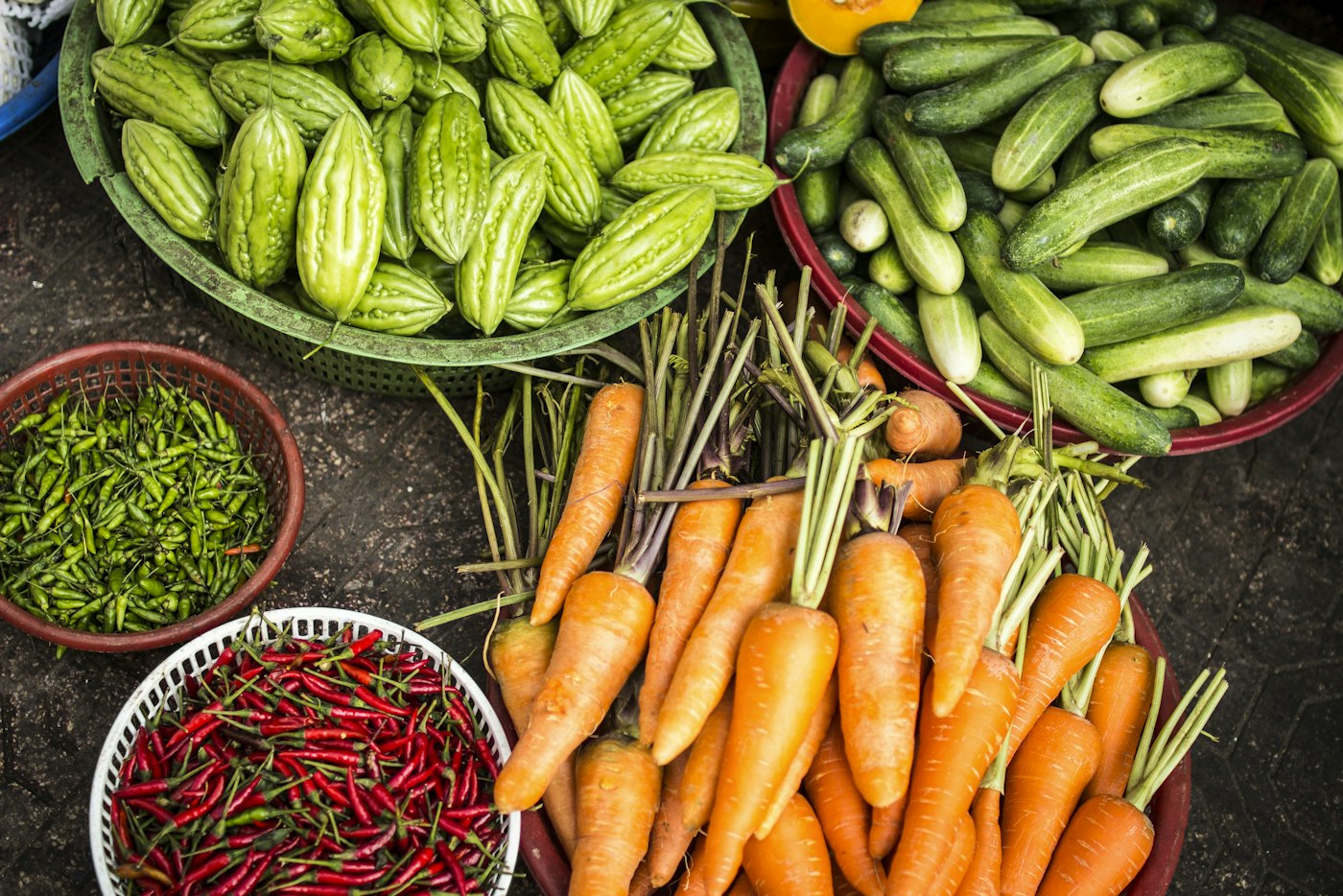
Missouri farmstand fresh produce

The Missouri Farmstand Collective is a grassroots organization dedicated to supporting the people who grow and sell food directly to their neighbors. We believe in the right of every Missourian to access locally grown food and every farmer to sell it.

Through education, legal resources, and community connection, we empower farmstand operators, cottage food producers, and small-scale farmers to understand their rights, navigate regulations, and build thriving direct-market businesses.

114
Missouri Counties
500+
Network Members
Free
All Resources
2025
Founded
About the Collective

Find Local

Farmstand Map

Browse Missouri farmstands, cottage food producers, and direct-sale farms across Missouri. New stands added weekly.

View Full Map & Add Your Stand Open in Google Maps ↗

Knowledge Base

Resource Library

Everything you need to start, operate, and protect your farmstand. Free guides built for Missouri producers.

🏠
Zoning & Land Use
Navigate local zoning rules, understand agricultural exemptions, and know your rights as a farmstand operator.
⚖️
Farmstand Law 101
Understand the legal landscape for direct sales of cottage foods, produce, eggs, dairy, and meat in Missouri.
🤝
Community & Connection
Connect with other operators, join the network, and find events across the state.

Stay Connected

Join the Collective

Get updates on Missouri farmstand law, new resources, events, and ways to connect with producers near you. Free. Always.

About Us

The Missouri Farmstand Collective

A grassroots network built by farmers and food producers, for farmers and food producers across all 114 Missouri counties.

Missouri farmland

Our Mission

The Missouri Farmstand Collective exists to protect and grow the direct-farm-sale economy in Missouri. We believe that the right to sell food you grow on your own land directly to your neighbors is fundamental, and that farmers and food producers deserve clear, accessible education about the laws that govern them.

We are not lawyers, and we don’t provide legal advice. What we do provide is the best available educational information about Missouri agricultural law, food safety regulations, and zoning rules organized in plain language, and freely accessible to anyone.

Our members are home bakers who sell at Saturday markets, multigenerational cattle farms, small-flock poultry producers, backyard egg sellers, and everything in between. We’re here for all of them.

What We Do

📚 Legal Education
We research and translate Missouri statutes, regulations, and case patterns into accessible guides for farmstand operators and cottage food producers.
🗺️ Farmstand Directory
We maintain a statewide map of direct-sale farms and farmstands so Missourians can find local food near them.
📣 Advocacy & Connection
We connect producers facing regulatory challenges with resources, attorneys, and organizations that can help.
📬 Community Network
Our newsletter and member network keep Missouri’s farming community informed about legislative changes and opportunities.

Be Part of the Collective

Sign up for our free newsletter and connect with hundreds of Missouri farmers and food producers.

Join Free Find a Farmstand

Statewide Directory

Farmstand Map

Browse Missouri farmstands, cottage food producers, and direct-sale farms across Missouri. New stands added weekly.

Open in Google Maps ↗ + Submit Your Farmstand
🥕 Farmstands
On-farm and roadside stands selling fresh produce, flowers, and farm products directly to customers.
🍪 Cottage Food Producers
Home bakers, canners, and food producers selling at markets, at-the-farm, and by direct delivery.
🐄 Direct-Sale Farms
Beef, pork, poultry, dairy, and egg producers selling direct to consumers through freezer orders and herdshares.

Submit Your Farmstand

Fill out the form to be added to the Missouri Farmstand Collective map. We welcome cottage food producers, farm-direct sellers, and home-based stands across Missouri. Please allow up to a week for review and approval.

The submission form opens in a new tab. Your information goes directly to the Collective for review.

Open Submission Form →

Opens in Google Forms — free, secure, no account required.

Free Guides

Resource Library

Plain-language guides to Missouri farmstand law, food regulations, and zoning. Written for producers, not lawyers.

Don’t know where to start?

Follow this path and you’ll cover the most important ground:

  1. Farmstand Law 101 — What can I legally sell in Missouri?
  2. Missouri Agricultural Exemptions — Does my land qualify?
  3. Common Zoning Issues — What problems should I expect?
  4. How to Talk to Zoning Officials — How do I get a straight answer?
🏠
Zoning & Land Use
Navigate local zoning rules, understand agricultural exemptions, and know your rights as a farmstand operator.
⚖️
Farmstand Law 101
Understand the legal landscape for direct sales of cottage foods, produce, eggs, dairy, and meat in Missouri.
📜
Missouri Statutes
Direct links to the Missouri Revised Statutes most relevant to farmstand operators.
🏛️
State & Federal Agencies
Links to Missouri Department of Agriculture, MDA food safety, USDA FSIS, and other regulatory bodies.
🌎
Partner Organizations
Organizations that support Missouri’s local food community through advocacy, legal assistance, and education.

Legal Guide

Zoning & Land Use

How Local Rules Affect Missouri Farmstands

Overview Ag Exemptions Common Issues Talk to Officials Get Help
What This Page Is (and Is Not)

This page provides general educational information about how zoning and land-use rules commonly affect farmstands in Missouri.

This page is:

  • An overview of how local zoning intersects with farmstand operations
  • A guide to understanding common land-use questions before issues arise
  • A tool for clearer communication with local officials

This page is not:

  • Legal advice
  • A guarantee of exemption
  • A replacement for local ordinances or professional guidance

Last Updated: May 2026

Missouri farmland aerial

Why Zoning Is One of the Biggest Farmstand Challenges

Zoning and land-use rules are one of the most common sources of confusion for farmstands.+

Unlike food safety regulations, which are handled primarily at the state level, zoning is administered locally by counties, cities, and municipalities. It is interpreted differently by counties and municipalities, and influenced by planning departments, zoning boards, or city councils.

As a result, two farmstands operating in similar ways but in different locations may receive very different guidance from local officials.

The most important first step for any farmstand operator is to contact your county’s planning and zoning department to understand what rules apply to your specific parcel.
Agricultural Use vs. Retail Use+

A central issue in many zoning questions is how a farmstand is classified. Local jurisdictions often ask whether a farmstand is an agricultural use, an accessory use to a residence or farm, or a retail or commercial business. This classification affects whether permits are required, which zoning district applies, whether exemptions exist, and how enforcement occurs.

Many farmstands operate as on-farm agricultural sales, particularly when products are grown or produced on the same property. Issues often arise when retail standards are applied without considering agricultural context.

Common Zoning Issues Farmstands Encounter+

Signage

Many counties limit the size, number, and placement of signs. On-farm signs for farmstands are sometimes treated as commercial signage subject to permit requirements.

Setbacks and Structures

A farmstand structure may be subject to setback requirements from property lines, roads, or other structures. Some counties require a building permit for any permanent structure regardless of size.

Parking and Traffic

Some zoning codes require a minimum number of off-road parking spaces for retail operations. Agricultural uses are generally exempt, but classification matters.

Non-Farm Products

A farmstand selling exclusively its own farm-grown products is generally on stronger agricultural footing than one that also sells resale products.

Selling products not grown or produced on your own property may change your farmstand’s legal classification under some local zoning codes. Check with your county before adding resale items.
On-Farm Sales and Agricultural Context+

Missouri Revised Statute §265.495 the Right to Farm Act establishes that agricultural operations shall not be considered a nuisance if they have been in operation for more than a year and were not a nuisance at the time they began. Missouri’s constitutional protection for agriculture (Article I, §35) further recognizes “the right of farmers and ranchers to engage in farming and ranching practices.”

The strongest position for a farmstand operator from a zoning standpoint is generally: selling products grown or produced on the same property, operating on land zoned agricultural with a prior agricultural use, and maintaining records of what is grown and sold on-farm.

Structures, Signage, and Visibility+

Temporary vs. Permanent Structures

Many counties treat temporary structures (pop-up canopies, folding tables, mobile trailers) differently from permanent structures (sheds, covered stands, storage buildings). If your farmstand uses a permanent structure, check whether a building permit or site plan is required.

Sign Permits

Counties vary widely on what requires a sign permit. Some allow one or two small on-farm signs without a permit; others require permits for any sign visible from a public road.

Road Visibility and Sight Triangles

Signs, structures, or vegetation near road intersections may be subject to sight-distance requirements enforced by the county or state highway department.

When Zoning Issues Escalate+

Zoning violations notices are formal written notices indicating that a property’s use or structures are not in compliance with local zoning rules. If you receive one, do not ignore it deadlines for response are often short.

You generally have the right to request clarification of the specific violation alleged, request a hearing before the zoning board, apply for a variance or use permit, or challenge the notice if it is based on a misapplication of the law.

See When to Get Help for information about escalating to legal assistance.

How the Missouri Farmstand Collective Can Help+

The Collective can provide educational information about Missouri zoning law as it relates to farmstands, including general guidance on how the Right to Farm Act applies to on-farm sales, sample language for inquiries to county planning departments, connection to legal resources and attorney referrals when issues escalate, and community experience from other Missouri farmstand operators.

We cannot tell you definitively whether your specific operation is in compliance with your local zoning code. For that, you need to work directly with your county and potentially an attorney.

Legal Guide

Farmstand Law 101

Missouri’s rules for direct farm sales vary significantly depending on what you’re selling. Choose a category below to learn what applies to you.

What This Page Is (and Is Not)

This page provides general educational information about Missouri laws governing direct sales of food products. Laws change, local rules vary, and individual circumstances differ.

This is not legal advice. Always confirm current requirements with the Missouri Department of Agriculture or a licensed attorney before making business decisions.

Last Updated: May 2026

Fresh produce at Missouri farmstand

Missouri’s cottage food law (§196.295) allows home producers to sell certain non-potentially-hazardous foods directly to consumers without a commercial kitchen license. It is one of the more permissive cottage food frameworks in the Midwest but it has real limits that every home producer should understand.

Quick Reference

ItemStatusNotes
License requiredNoNo commercial kitchen or food handler license required for qualifying cottage foods
Annual gross sales limitNo CapMissouri has no annual sales limit for cottage food producers
Where you can sellLimitedDirectly to end consumer only no wholesale, no retail stores
Labeling requiredYesName of product, ingredients, allergens, producer name/address, required disclaimer
Potentially hazardous foodsNot coveredFoods requiring refrigeration are not cottage foods
Online/delivery salesPermittedMust be sold directly to the consumer delivery to the consumer is allowed
What Qualifies as a Cottage Food in Missouri?+

Missouri cottage food law covers non-potentially-hazardous foods made in a home kitchen foods that do not require refrigeration to remain safe. Generally included:

  • Baked goods: bread, rolls, cookies, cakes, pies, muffins, pastries
  • Candies and confections: fudge, caramels, chocolates, brittles
  • Jams and jellies: high-acid fruit preserves with proper water activity
  • Dry goods: granola, trail mix, dried herbs, spice blends, dried pasta
  • Honey and maple syrup (produced by the seller)
  • Roasted nuts and shelf-stable nut butters

What is NOT covered

  • Meat or poultry products
  • Dairy products requiring refrigeration (cheese, butter, yogurt)
  • Foods requiring temperature control for safety (cut fruit, cream pies, custards)
  • Canned low-acid vegetables (canned green beans, low-pH salsa)
If your product requires refrigeration to remain safe, it is not a cottage food under Missouri law. This is the most important line to understand.
Labeling Requirements+

Every cottage food product sold in Missouri must be labeled with:

  • The common or usual name of the food product
  • A complete list of ingredients in descending order of predominance by weight
  • Any major food allergens (milk, eggs, fish, shellfish, tree nuts, peanuts, wheat, soybeans)
  • The name and address of the cottage food producer
  • The net weight or volume of the product
  • The statement: “This product was made in a home kitchen that is not inspected by the Missouri Department of Health and Senior Services or the Missouri Department of Agriculture.”
The “made in a home kitchen” disclosure statement is required by law. Selling cottage food without this label is a violation of Missouri food law, even if everything else about your operation is fully compliant.
Where and How You Can Sell+

Missouri cottage food law requires sales be made directly from the producer to the end consumer:

  • Sales at farmers markets and farmstands ✓
  • Direct sales to individuals at the producer’s home ✓
  • Online sales with direct delivery to the consumer ✓
  • Sales at craft fairs, community events, pop-up markets ✓
  • Sales through a grocery store, food co-op, or restaurant ✗
  • Wholesale or distribution through a third party ✗
  • Consignment at retail locations ✗

The key principle: the person who made the food must be the one selling it, and the buyer must be the end consumer (not a reseller).

No Annual Sales Cap in Missouri+

Missouri does not impose an annual sales cap on cottage food producers. You can sell as much cottage food as you are able to produce from your home kitchen without hitting a revenue limit that triggers a food establishment license.

This makes Missouri one of the more producer-friendly cottage food states in the country. The key restrictions are on what you can sell and how you can sell it, not how much.

Even without a sales cap, if your operation grows significantly you may want to explore a licensed commercial kitchen to expand your product line or access wholesale channels.
Farmers Market Rules May Be More Restrictive+

Individual farmers markets may have their own rules about cottage food products that are more restrictive than state law allows. A market may require proof of cottage food status, specific labeling beyond the state minimum, temperature or display requirements, or product liability insurance. Always check with the individual market manager about their specific requirements before selling.

Fresh produce and cut flowers enjoy some of the broadest protections for direct farm sales in Missouri. Most on-farm produce sales require minimal licensing but local zoning, sanitation practices, and label rules still matter.

ItemStatusNotes
State license requiredNoRaw produce and flowers sold direct from farm generally require no state license
Zoning permitCheck locallyOn-farm stands are typically agricultural use; confirm with your county
Value-added produceMay varyProcessed or preserved produce may require cottage food compliance or food license
GAP certificationRecommendedNot required for most direct sales but recommended for liability protection
Farmers marketPermittedNo state license needed for raw produce at markets
FSMA complianceCheck thresholdProduce Safety Rule applies to farms with >$25,000 in produce sales to non-end-consumers
Raw Produce: What's Covered and What's Not+

Missouri does not require producers to have a state food license to sell raw, unprocessed produce directly to consumers. This covers fruits and vegetables grown on your farm, fresh unprocessed herbs, cut flowers and dried flowers, transplants and bedding plants, and dried beans, corn, and grains in their natural state.

What shifts the legal category

  • Cutting or chopping: Pre-cut salad greens, sliced melon, or cut fruit shifts the product to “processed produce” and may require a food establishment license
  • Mixing: Salad kits or produce bundles with dressing change the character of the product
  • Preserving: Freezing, canning, fermenting, or dehydrating produce makes the product a processed food subject to cottage food law or food licensing
Good Agricultural Practices (GAPs)+

Good Agricultural Practices are voluntary guidelines developed by the USDA and FDA to reduce the risk of microbial contamination in fresh produce. GAP certification is not required for direct-to-consumer sales in Missouri, but some wholesale buyers and grocery stores require it, documented food safety practices protect producers in the event of a food safety issue, and MU Extension offers GAP workshops and on-farm food safety planning assistance.

The USDA’s Produce Safety Rule (part of FSMA) applies to farms with produce sales above $25,000/year to buyers other than the end consumer. Most small farmstand operations selling direct-to-consumer are exempt, but if you sell wholesale, check your FSMA coverage.
Cut Flowers: What Missouri Producers Should Know+

Cut flowers and dried flowers grown and sold directly from your farm require no state license in Missouri. U-pick flower operations may raise zoning questions about customer traffic on agricultural land. Potted plants and transplants are typically classified as nursery stock and may require a Missouri nursery dealer license if sold above a certain volume. Dried flower wreaths and arrangements may enter cottage food or craft territory depending on how they’re presented and marketed.

Missouri has relatively favorable laws for small flock egg sales. The rules differ significantly based on your flock size and where you’re selling understanding the thresholds is essential.

SituationStatusNotes
Under 3,000 hens, on-farm salesPermittedDirect-to-consumer on-farm sales with simplified labeling requirements
Under 3,000 hens, farmers marketPermittedMay sell at farmers markets; check individual market rules
3,000+ hensLicensedRequires Missouri Dept. of Agriculture egg handler license
Selling to grocery or restaurantCheck rulesWholesale egg sales have different requirements check with MDA
Refrigeration requiredYesEggs must be kept below 45°F at point of sale
The 3,000-Hen Threshold+

Missouri’s egg law (Chapter 196, §196.895–196.940) creates a significant practical distinction at the 3,000-laying-hen threshold. Producers with fewer than 3,000 hens selling directly to consumers operate under a simplified regulatory framework: no Missouri Department of Agriculture egg handler license required, simplified carton labeling requirements, ability to sell at farmstand, farm gate, and farmers markets, and must maintain eggs below 45°F at point of sale.

Producers with 3,000 or more hens, or those selling through commercial channels, must be licensed as egg handlers by the Missouri Department of Agriculture.

Egg Carton Labeling+

Eggs sold by small producers must be labeled with: name and address of the producer; pack date or sell-by date; safe handling instructions (“Keep refrigerated”); and grade and size designation (or “ungraded” if not professionally graded).

You can reuse commercial egg cartons if you cover or remove the previous producer’s information and replace with your own. Stamping your information on the carton with a rubber stamp is the most common approach.

Many small producers use a rubber stamp with their farm name, address, and pack date on recycled cartons. This is a simple, low-cost way to meet labeling requirements.
Refrigeration and Food Safety+

Once eggs are washed (which removes the natural bloom/cuticle), they must be refrigerated. At farmers markets and farmstands, eggs must be displayed in a cooled environment a cooler with ice is acceptable at a market booth. The FDA requires commercially sold eggs to be kept at or below 45°F. Refrigeration is the safer and more legally defensible practice for all farmstand egg sales.

Selling Eggs to Restaurants and Retailers+

The simplified rules for small producers apply specifically to direct-to-consumer sales. If you want to sell eggs to restaurants, grocery stores, food co-ops, or other businesses, you may need a Missouri egg handler license, your eggs may need to be graded and candled, and refrigeration and transport requirements are more stringent. Contact the Missouri Department of Agriculture’s Egg Regulatory Program at (573) 751-4316 before beginning wholesale egg sales.

Raw dairy sales in Missouri operate through herdshare arrangements a legal structure that allows consumers to own a share of an animal and receive milk as an ownership benefit rather than a retail purchase. Understanding how to structure a compliant herdshare is critical for dairy farmers and consumers alike.

ItemStatusNotes
On-farm raw milk salesPermittedSell directly from your farm to consumers with no permit required
Raw milk delivery to consumersPermittedDeliver directly to consumers without a permit
Farmers market & off-farm venuesPermit requiredGrade A raw milk permit from the Missouri State Milk Board required
Retail store salesNot permittedRaw milk cannot be sold in grocery stores under current Missouri law
Herdshare arrangementsLegalEstablished by contract; consumer owns share of the animal
Pasteurized milk salesLicensedRequires Grade A dairy permit from Missouri Dept. of Agriculture
Raw cheese (aged 60+ days)Check rulesMay be sold under specific federal and state conditions
Written herdshare contractStrongly recommendedProtects both producer and consumer; establishes legal ownership
Raw Milk in Missouri: Two Legal Pathways+

Missouri law permits two main pathways for raw milk to reach consumers legally:

Tier 1: No Permit Required

You can sell raw milk directly from your farm to consumers who visit your property, and you can also deliver raw milk directly to consumers. No permit is required for either of these. This is the simplest entry point for most small dairy producers.

Tier 2: Grade A Raw Milk Permit

With a permit from the Missouri State Milk Board (2 CSR 80-3.030), you can expand beyond your farm gate and sell at farmers markets and other direct-to-consumer venues. The permit process involves meeting sanitation and bacteriological standards. Contact the Missouri Department of Agriculture for current requirements.

Tier 3: Herdshare Arrangements

A herdshare is a contractual arrangement in which a consumer purchases an ownership interest in one or more dairy animals and pays a boarding fee. The milk they receive is a product from their own animal, not a retail sale. Herdshares can work alongside or independent of the permit structure.

Retail store sales of raw milk are not currently legal in Missouri, though legislation has been introduced to change this. Follow Missouri HB 1711 for updates.

Key elements of a legally sound herdshare arrangement:

  • Written contract transferring an ownership interest in one or more animals to the consumer
  • Boarding fee: the consumer pays the farmer a regular fee to care for, feed, and milk their animal
  • No retail transaction: the consumer is not buying milk they are receiving milk from their own animal
  • The consumer should have the legal right to visit and inspect their animal
The herdshare model has been used successfully by dairy farmers across Missouri. Courts in several states have upheld properly structured herdshare arrangements. The key is that the consumer genuinely owns an interest in the animal, not just a subscription to receive milk.
What Should a Herdshare Contract Include?+

A well-drafted herdshare agreement should include:

  • Names of both parties (producer/farmer and consumer/shareholder)
  • A description of the specific animal(s) or fractional interest being transferred
  • The purchase price for the ownership share
  • The ongoing boarding and care fee (typically weekly or monthly)
  • The expected milk quantity the shareholder will receive per period
  • The shareholder’s right to visit and inspect the animal
  • Responsibilities of each party for care, health, and veterinary decisions
  • What happens if the animal dies, becomes ill, or is sold
  • A consumer acknowledgment of the risks associated with raw dairy consumption

We provide a sample herdshare agreement template in our Resource Library. Have any agreement reviewed by an attorney familiar with Missouri agricultural law before using it.

Food Safety and Raw Dairy+

Raw milk can carry pathogens including E. coli O157:H7, Salmonella, Listeria, and Campylobacter. Producers operating herdshares should maintain rigorous sanitation practices: clean milking environment and equipment; rapid cooling of milk after milking; regular testing (somatic cell count, bacteria count, pathogen testing); consistent documentation of testing results; and proper food-safe containers for milk delivery.

Food safety incidents involving raw dairy attract significant regulatory scrutiny. Producers who take sanitation seriously and document it are in a much better legal position than those who do not.

Goat, Sheep, and Other Dairy Animals+

Herdshare arrangements apply to all dairy animals in Missouri cows, goats, sheep, and others. The same legal structure (ownership share + boarding fee) applies regardless of species. Goat and sheep dairy herdshares have grown significantly in Missouri as consumer interest in small-ruminant dairy products has increased.

Processed dairy products (cheese, yogurt, kefir, butter) made from herdshare milk are more legally complex. If you plan to process milk into other products for distribution to shareholders, consult with an attorney and the Missouri Department of Agriculture about your specific situation.

Direct meat sales involve the most complex regulations in Missouri agriculture. From USDA inspection requirements to custom-exempt processing, understanding your options for selling beef, pork, poultry, and lamb is essential before going to market.

Product TypeFor Retail SaleFor Personal Use
Beef, pork, lambUSDA or MO-inspectedCustom-exempt ok
Whole/half/quarter animal (live sale)Depends on structurePermitted
Poultry (under 1,000 birds/yr)Producer exemptionPermitted
Poultry (1,000–20,000 birds/yr)State inspectionPermitted
RabbitCheck rulesPermitted
Wild gameProhibited for salePersonal use only
USDA Inspection: The Baseline Rule+

Federal law (the Federal Meat Inspection Act and the Poultry Products Inspection Act) requires that meat and poultry products sold in retail commerce be processed in a USDA-inspected facility. A USDA-inspected facility has a federal inspector present during slaughter and processing. Missouri-inspected facilities operate under state inspection programs that meet USDA standards products can be sold within Missouri but not across state lines.

Find Missouri-inspected and USDA-inspected processing facilities through the Missouri Department of Agriculture’s MDA Meat Directory at agriculture.mo.gov.
Custom-Exempt Processing: What It Is and What It's Not+

Custom-exempt processing is a federal exemption that allows animals to be slaughtered and processed without USDA inspection but only for the owner’s personal use. Custom-processed meat is stamped “Not For Sale” and cannot legally be sold to anyone. Custom-exempt processing is used for processing an animal for the producer’s own household use, or for processing an animal that has already been sold as a live animal to the buyer.

Custom-exempt meat cannot be sold. Selling meat stamped “Not For Sale” or “Custom” is a federal violation. This is a critical line that some producers unknowingly cross.
Freezer Beef: Selling Live Animals+

One of the most common legal pathways for small beef producers to sell direct is through the sale of a live animal to the consumer, which the consumer then has custom-processed for their own use. This is the structure commonly called “freezer beef.”

How it works legally:

  1. The producer and consumer enter a contract for the sale of a live animal at a price per pound live weight (or by the head)
  2. The consumer is now the owner of the animal
  3. The consumer arranges for the animal to be custom-processed at a custom-exempt facility
  4. The custom-processed meat goes to the consumer (the animal’s owner) legally, the consumer is processing their own animal

For this structure to work properly: the sale of the live animal must genuinely precede the animal’s processing; the producer should not be taking money from the consumer after the animal is processed; and documentation of the live sale is important.

Poultry: The Producer Exemption+

1,000-Bird Exemption (Federal)

Producers who raise and process 1,000 or fewer poultry per year may sell directly to household consumers or to restaurants, hotels, or boarding houses in the state, with on-farm slaughter permitted, and humane handling and appropriate sanitation required.

1,000–20,000 Bird Exemption (State Inspection)

Producers processing between 1,000 and 20,000 birds per year may qualify for a state inspection exemption in Missouri. Contact the Missouri Department of Agriculture for current requirements.

Chickens, turkeys, ducks, geese, and guineas all count toward the threshold if you raise multiple species, your combined total must stay under 1,000 for the federal exemption.
Finding a USDA or MO-Inspected Processor+

Access to inspected processing is one of the most significant practical challenges for small Missouri meat producers. Resources for finding processing:

  • Missouri Department of Agriculture maintains a list of licensed meat processors: agriculture.mo.gov
  • USDA Meat and Poultry Inspection Directory: searchable database of all USDA-inspected facilities nationwide
  • MU Extension: regularly compiles lists of Missouri meat processors with contact information and species processed
  • Collective network: other Missouri producers in your region are often the best source of current information about processor availability and quality

Free Membership

Join the Collective

Connect with hundreds of Missouri farmstand operators, cottage food producers, and small farmers. Free, always.

What You Get

📬 Monthly Newsletter
Updates on Missouri farmstand law, new resources, legislative news, and events relevant to direct farm sales.
🗺️ Farmstand Directory Listing
Get your farm or stand listed in our statewide Farmstand Map so customers in your area can find you.
📚 Full Resource Library Access
Access to all guides, templates, and legal resources including updates when Missouri law changes.
🤝 Community Network
Connect with other Missouri producers who’ve navigated the same questions you’re facing.

Sign Up Free

No cost. No spam. Unsubscribe anytime.

Join the Work

Get Involved

The Missouri Farmstand Collective is growing. We need volunteers, county representatives, and partner farms across all 114 Missouri counties.

Volunteer County Representatives Farmstand Grants
Missouri farmers market community

Become a Volunteer

The Collective runs on the time, knowledge, and passion of Missouri farmers and food advocates. There’s a role for everyone no matter how much time you have.

1–2 hrs/month
County Spotter
2–4 hrs/month
Social & Media Help
5+ hrs/month
Research & Leadership
📄 Content & Research
Help us keep our legal guides accurate and up to date. Research Missouri statute changes, draft educational content, or review existing guides for accuracy.
📷 Photography & Stories
Document Missouri farmstands, cottage food producers, and direct-sale farms. Help us tell the stories of our members through photos and written profiles.
👥 Community Outreach
Spread the word at farmers markets, county fairs, and community events. Help producers in your area find the Collective and understand what we offer.
💻 Tech & Web
Help us build and maintain our website, farmstand map, and member directory. Web development, design, and data skills are all needed.
✍️ Grant Writing
Help us apply for foundation grants, USDA RBDG funding, and other sources that support our work and the Farmstand Grant Fund.
📣 Social & Newsletter
Help manage our social media presence and contribute to our monthly newsletter. Agricultural knowledge plus communication skills is the ideal combo.

Ready to Help?

Tell us a little about yourself and what you’d like to contribute. We’ll be in touch within a week.

Connect

Community

Join thousands of Missouri farmers, cottage food producers, and local food advocates in our online community.

Missouri farming community

Join the Facebook Group

Our Facebook group is the heart of the Missouri Farmstand Collective community. Ask questions, share your experiences, get advice from other producers, and stay up to date on Missouri farm law and market news.

Whether you’re just starting out or have been farming for decades, this is a welcoming space for everyone growing and selling food in Missouri.

👥
Missouri Farmstand Collective
Facebook Group · Local Food Community

Connect with Missouri farmstand operators, cottage food producers, and local food advocates. Share questions, tips, resources, and support.

Join the Facebook Group Follow Our Facebook Page
❓ Ask Questions
Not sure about a zoning rule or labeling requirement? Ask the community. Someone has likely dealt with the same situation.
📣 Stay Informed
Get updates on Missouri farm law changes, market opportunities, and Collective news as soon as they happen.
🤝 Find Your People
Connect with producers in your county, find processing facilities, share market tips, and build real relationships with your farming neighbors.

What Members Are Saying

"I had no idea I could sell my baked goods without a commercial kitchen license. The Collective’s resources helped me understand exactly what I needed to do to get started legally."

Missouri Cottage Food Producer

"The zoning inquiry letter template saved me hours of stress. I sent it to our county office and had a written answer within a week."

Greene County Farmstand Operator

"Finally a resource built specifically for Missouri producers. The raw milk section alone is worth joining for."

Boone County Dairy Producer

Not on Facebook?

Join our email newsletter to stay connected. Updates on Missouri farm law, resources, and community news delivered to your inbox.

Join the Email List